

The short answer: diagnose the heat, soil and water before choosing plants
A plant labelled drought tolerant is not automatically suited to every sunny Lower Mainland yard. First map afternoon heat, wind, roof runoff, soil depth and drainage. Then choose plants whose mature size and moisture range fit that exact location, and plan to water the new root balls through establishment.
- Hot is not always dry: a bed can bake beside paving yet remain saturated below compacted soil.
- Dry is not always sunny: roof overhangs and established roots can create dry shade.
- Drought tolerant is not drought proof: newly planted material still needs deliberate root-zone watering.
- One yard can need several water zones: group plants by exposure and moisture instead of applying one schedule everywhere.
Surrey, Langley and White Rock gardens can move from winter saturation to a dry summer surface. South- and west-facing walls, paving and open slopes add reflected heat and wind exposure. The useful goal is not to make the whole property look like a desert garden. It is to match each planting zone to conditions that can be maintained honestly.
The Royal Horticultural Society describes drought resistance as an ability to tolerate periods of limited water, while noting that plant establishment and site conditions still matter. Use that as a filter, then verify the nursery label for the named species or cultivar.
Map where heat and water actually move

Walk the property on a clear afternoon. Mark the areas receiving long direct sun, reflected heat from walls or paving, and drying wind. Check where downspouts discharge and where irrigation overspray reaches. Repeat the inspection after rain because a hot surface can hide a slow-draining root zone.
Usually hotter
West-facing walls, narrow beds beside concrete, upper slopes and unshaded corners can lose moisture quickly and expose foliage to reflected heat.
Usually cooler
East-facing beds and locations with light afternoon shade may support a broader plant range even when summer watering is limited.
Potentially wetter
Low points, compacted construction soil and beds receiving roof or paving runoff can remain airless below a dry-looking surface.
Root competition
Mature trees and hedges can remove water before a new shrub develops enough roots to compete.
Check soil depth, drainage and the space available for roots

Washington State University treats infiltration, drainage, compaction, rooting depth and aeration as separate soil-quality indicators. That distinction matters in local yards where imported topsoil may sit over dense subsoil. Dig test holes where plants will actually go, not in the easiest corner of the bed.
- Check moisture several centimetres below the surface rather than judging by colour alone.
- Look for abrupt layers, rubble, dense clay, buried fabric and roots occupying the proposed planting hole.
- Confirm that runoff leaves the bed without concentrating against a foundation or fence.
- Use the yard drainage assessment if water lingers or the soil smears and stays dense.
Do not solve a drainage problem by choosing a plant advertised for dry conditions. Roots need both moisture and air, and persistent winter saturation can kill plants that tolerate summer drought.
Choose durable plant traits, then verify the exact name

Small, narrow, grey, waxy or softly hairy leaves can reduce water loss in some plants, while deep or spreading roots can improve access to moisture after establishment. Those are useful clues, not a shopping rule. Similar-looking plants can have different cold tolerance, mature spread and soil requirements.
Read on the nursery label
- botanical name and cultivar;
- mature height and width;
- sun exposure and preferred soil moisture;
- hardiness and pruning needs.
Confirm for the actual bed
- space beside paths, windows and utilities;
- winter drainage as well as summer dryness;
- access for establishment watering;
- whether the plant is native, non-native or invasive locally.
Check current provincial invasive-plant information before introducing an unfamiliar vigorous species. “Low maintenance” and “spreads quickly” are not enough evidence that a plant is responsible for a Lower Mainland garden.
Group plants by water needs instead of scattering them
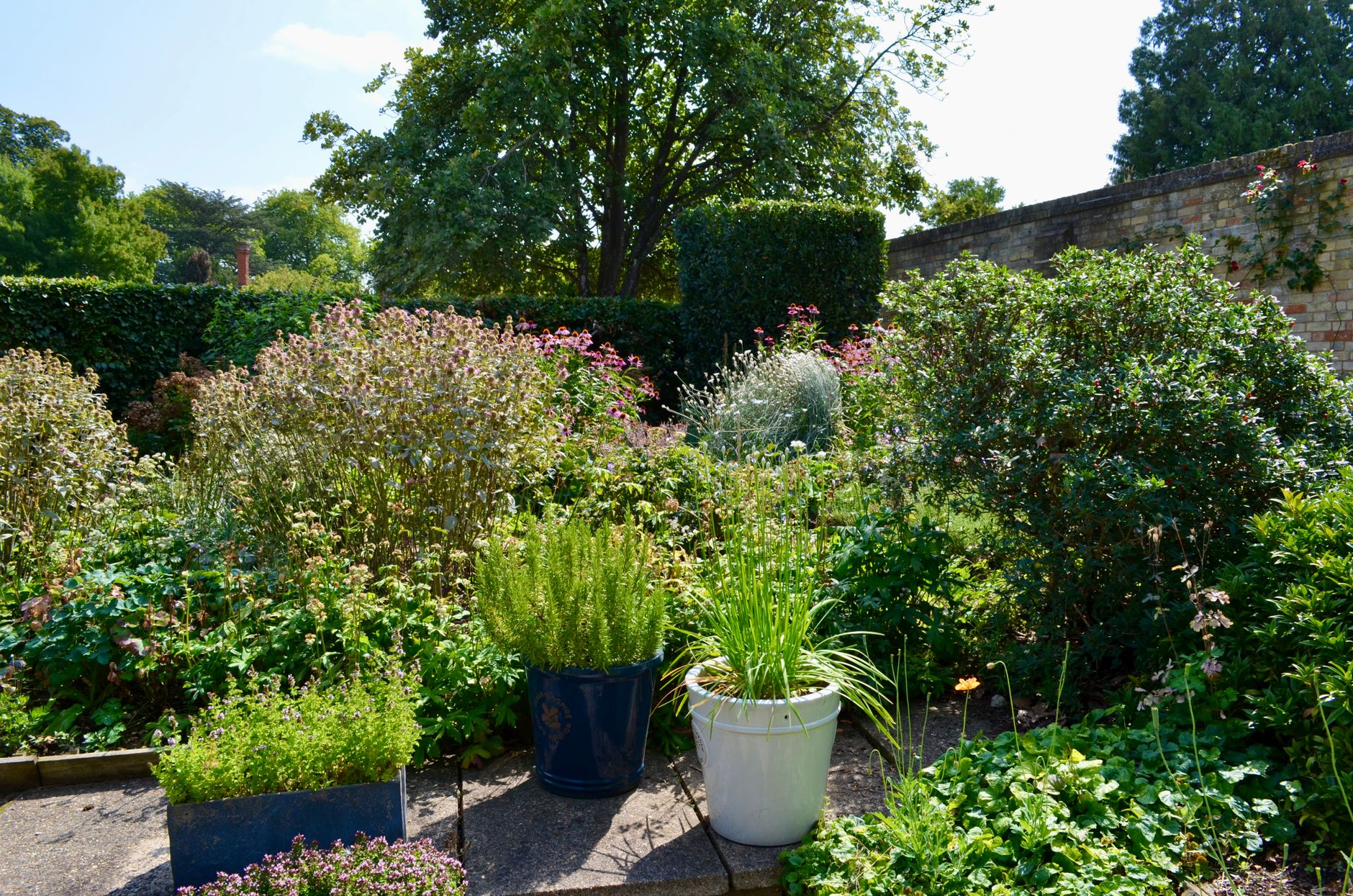
Place plants with similar exposure and moisture needs together. Keep plants that prefer steadier moisture near a practical water source or in a naturally cooler zone. Reserve the hottest, fastest-draining locations for material that suits those conditions once established.
- Set the structural layer. Fit trees and shrubs by mature dimensions before choosing smaller accents.
- Build repeated groups. A few compatible species are easier to water and maintain than one of everything.
- Respect transitions. Change the plant palette where exposure, slope or soil changes rather than forcing one mix across the yard.
- Keep irrigation observable. Avoid burying emitters or placing thirsty and low-water plants on the same fixed schedule.
Plan establishment water even for drought-tolerant plants
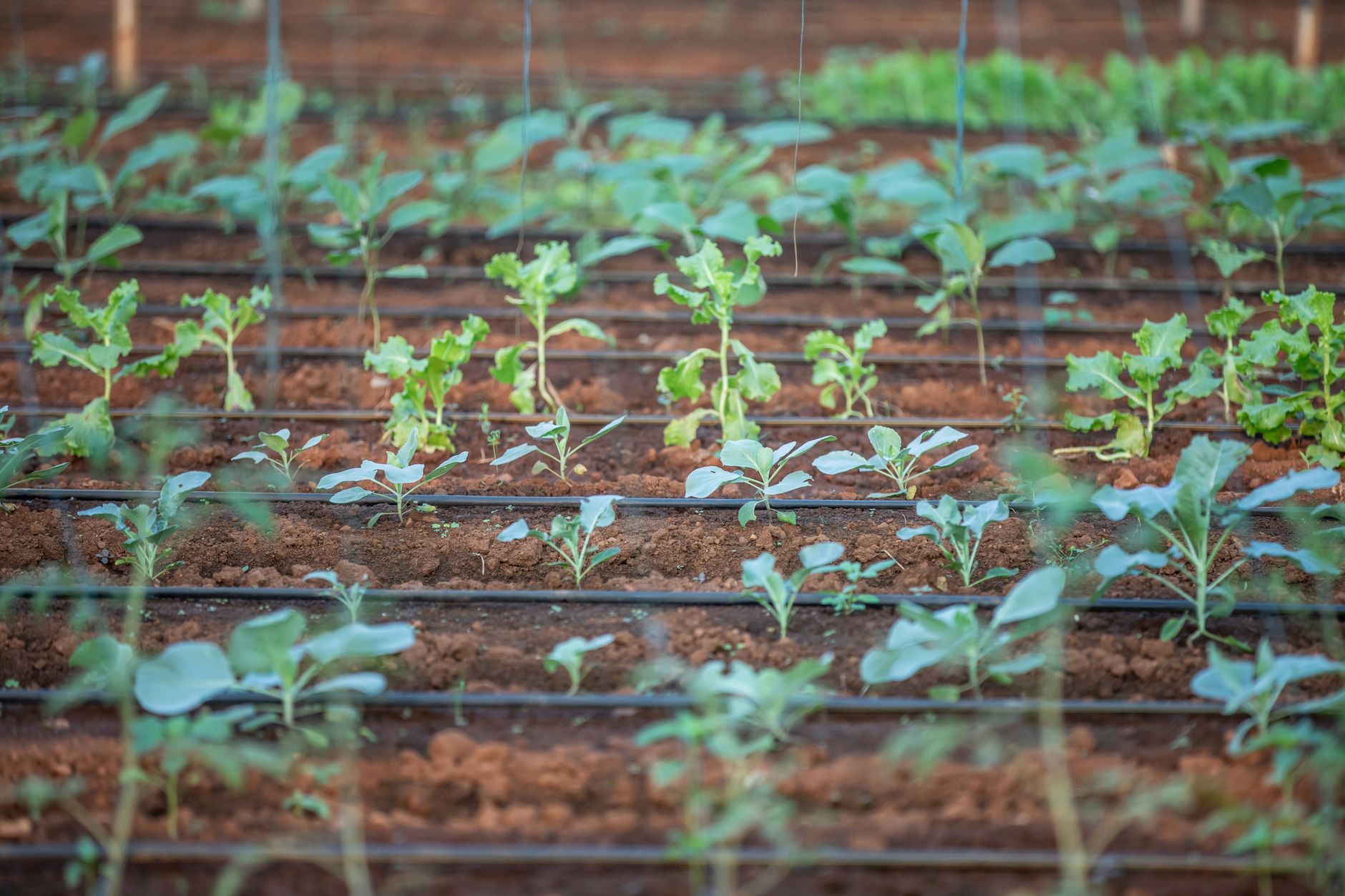
A newly planted shrub has a limited root system. Water the root ball and nearby soil deeply enough to wet the active root zone, then check before watering again. Weather, plant size, soil and exposure matter more than a calendar-only schedule.
- Inspect the root ball separately from the surrounding soil; one can be dry while the other is wet.
- Water slowly enough that it soaks in rather than running across the surface.
- Recheck after heat, wind or irrigation changes, especially through the first growing seasons.
- Adjust emitters as roots expand and remove temporary supports or watering hardware when no longer needed.
The new tree and shrub watering guide gives a diagnostic method for checking root-zone moisture without promising one universal frequency.
Use mulch to moderate the root zone, not bury the plant
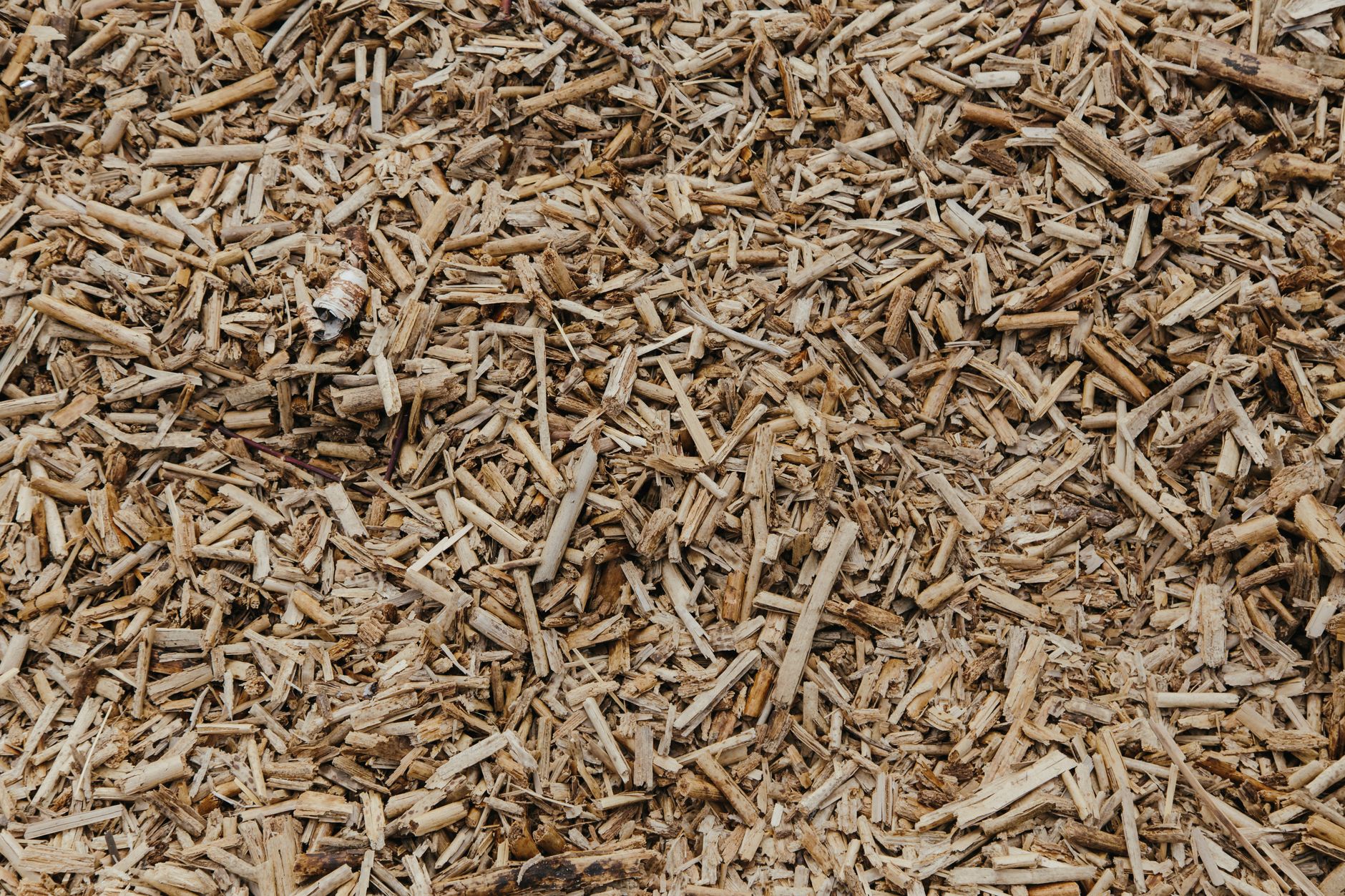
Organic mulch can reduce surface evaporation, buffer temperature swings and limit weed competition. Spread it across the soil rather than piling it around stems. Keep the trunk flare, shrub base and perennial crowns visible.
- Correct planting depth before mulching; mulch cannot fix a buried root flare.
- Maintain a moderate, even layer instead of adding a fresh mound every year.
- Pull mulch back to inspect soil moisture rather than assuming the bed is dry.
- Follow the tree and shrub mulching guide around established woody plants.
Know where drought-tolerant planting reaches its limits

Drought-tolerant plants still have thresholds. A container-grown plant left unwatered after installation, a shallow bed beside reflected heat, or a root zone that floods in winter can overwhelm the plant’s normal adaptations. Brown foliage is not proof that the solution is always more water.
Check water delivery
Confirm that water reaches the root ball and is not blocked by hydrophobic soil, a clogged emitter or surface runoff.
Check planting depth
Look for buried crowns, circling roots and a root flare below grade before increasing irrigation.
Check timing
Normal dormancy, old seed heads and seasonal leaf drop should not be confused with active decline.
Check the site again
Construction changes, maturing trees and new paving can alter exposure and water movement after planting.
Make a plan that can survive more than one dry summer
Proceed with planting when
- summer exposure and winter drainage are both understood;
- the named plants fit the bed at mature size;
- plants with similar water needs are grouped together;
- establishment watering can be delivered and checked.
Simplify or investigate first when
- dense subsoil, runoff or standing water remains unresolved;
- the plan relies on gravel or mulch to correct unsuitable soil;
- oversized plants would need constant pruning to fit;
- there is no realistic way to water new root balls during dry weather.
Bring photos from different times of day, bed measurements and notes about winter puddling when you shop or request an estimate. The plants and planting options page shows the service context, and Atkinson Landscaping can assess the site when heat, drainage and existing roots create several competing planting zones.
References and further reading
- Royal Horticultural Society: Drought-resistant plants
- Washington State University: Urban Soil Management
- Province of British Columbia: Priority invasive plants