

The short answer: choose for duration, not just “wet soil”
A wet Lower Mainland yard is not one condition. A bed may be damp through winter, briefly flooded after storms, fed by runoff, or saturated for weeks. Map how long water remains, confirm the summer condition, and fix unsafe drainage before selecting plants. A moisture-tolerant plant can handle a defined range; it is not a substitute for oxygen around roots or a safe route for stormwater.
- Observe first: check the yard during rain and again 24–48 hours later.
- Separate moisture from failure: persistent ponding near buildings or hardscape needs assessment, not a tougher shrub.
- Read the whole label: light, moisture, mature size and cultivar matter together.
- Plan for August too: a winter-wet bed may become dry and firm in summer.
Surrey and Langley receive long wet periods, but water can vary sharply across one property. The useful goal is not to build a list of plants that “like water.” It is to define each root zone closely enough that a nursery label and reliable plant reference mean something.
First decide whether the area is plantable

Healthy moist soil still contains air. Waterlogged soil has its pore spaces filled for long enough that roots lose oxygen. Before buying plants, look for water that remains after surrounding areas clear, sour-smelling soil, blackened roots, repeated plant failure, or runoff entering from roofs and paving.
Usually plantable
Soil is evenly damp in the wet season, accepts rainfall without prolonged surface water, and has a predictable summer moisture pattern.
Needs more diagnosis
Water sits in a low point, flows toward a structure, emerges from an unknown pipe, or returns after every storm.
Not a plant fix
Foundation-adjacent ponding, unstable slopes, blocked infrastructure or water crossing property lines requires qualified drainage or grading advice.
Use the yard drainage assessment guide before treating a wet corner as a planting opportunity.
Map where the water comes from and how long it stays
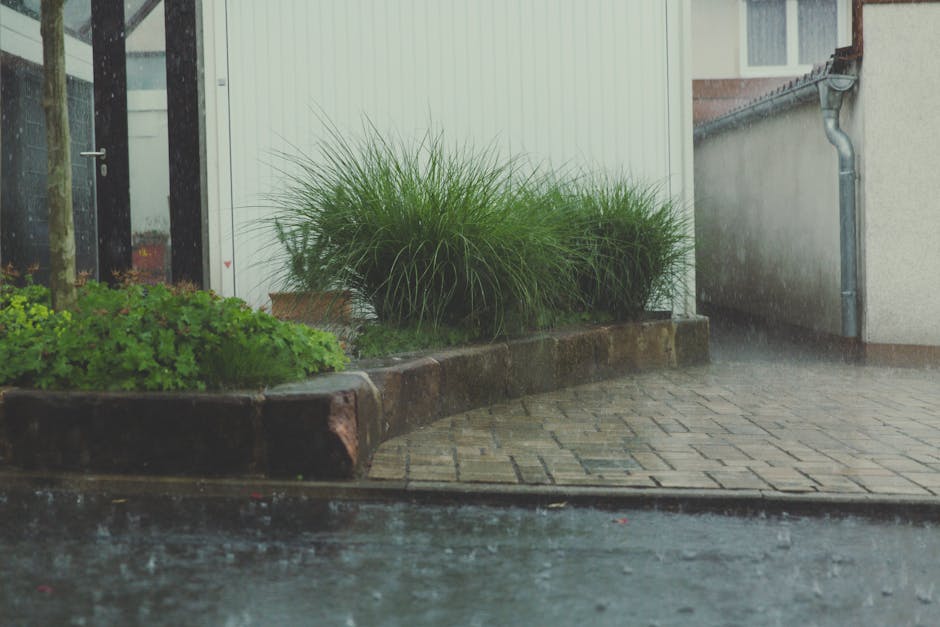
Walk the property during steady rain. Mark roof leaders, pavement runoff, irrigation, low grades and places where neighbouring areas discharge. Then record when visible water disappears and how the soil feels below the mulch. City of Surrey guidance treats sustainable drainage as a site system that reduces stormwater impacts, not merely a collection of wet-tolerant plants.
- Photograph the same locations during rain, one day later and after a dry interval.
- Check several depths instead of judging by a wet surface alone.
- Note sun exposure; winter shade may become summer sun under deciduous trees.
- Repeat the observations in summer before assuming the bed stays moist year-round.
Match plants to a moisture range, not a single word

Plant references use terms such as moist, consistently moist, well drained and occasionally wet. Those terms are not interchangeable with flooded. Confirm the botanical name and cultivar, then compare the documented moisture range with your observations. Also check mature height and spread, cold hardiness, exposure and maintenance.
Useful evidence
- the exact plant is documented for periodically moist or wet soil;
- the site drains between major storms rather than staying stagnant;
- summer irrigation can support establishment without saturating adjacent plants;
- the plant is not listed as invasive in British Columbia.
Weak evidence
- a nursery sign only says “easy care” or “tough”;
- the recommendation is for a different cultivar or climate;
- the plant grows beside water in nature but not with its crown submerged;
- one healthy specimen is being used to ignore repeated failures nearby.
Do not confuse a raised bed with corrected drainage
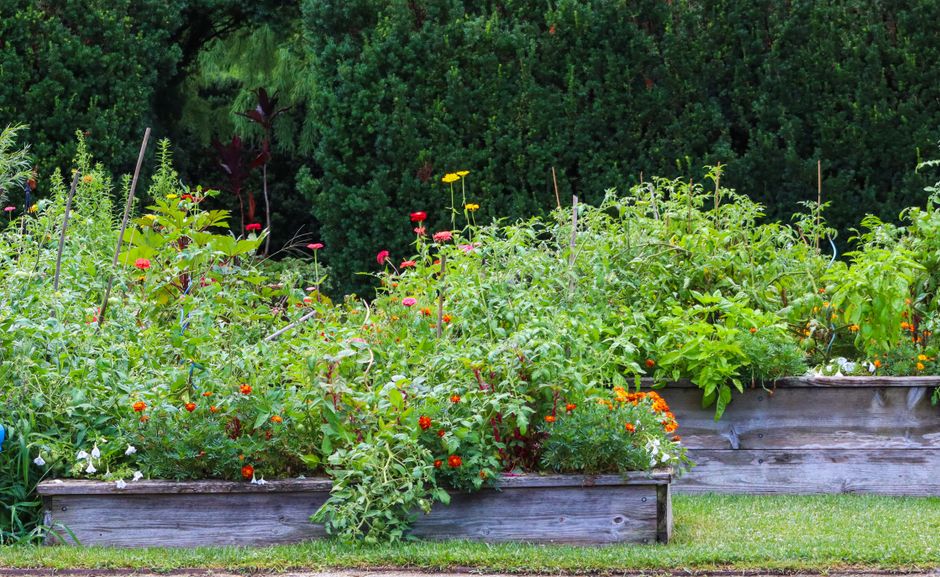
Raising the root crown can create more oxygenated soil, but imported soil also displaces water. A raised bed needs a safe outlet, suitable retaining edges and enough width for mature roots. It must not direct water toward a fence, walkway or building.
- Use broad, integrated grade changes rather than a small mound that will erode.
- Keep woody-plant root flares visible and crowns at the correct height.
- Do not bury established tree roots or trunk tissue with new soil.
- Confirm utilities, property drainage and structural requirements before substantial grade work.
For dense fine-textured ground, the clay-soil planting guide explains why a heavily amended pocket can create another wet zone.
Use mulch to buffer moisture—not conceal saturation

Organic mulch can soften rainfall impact, reduce surface sealing and moderate summer drying. Apply an even layer over the root zone and keep it away from trunks, stems and crowns. Never use mulch depth to hide standing water or a plant set too low.
Check beneath the mulch before watering. In wet ground, routine irrigation can keep a root ball saturated long after rainfall. The mulching guide shows correct placement around trees and shrubs.
Build layers without blocking access or overflow

Wet-site planting still needs structure. Place larger shrubs where their mature spread will not block drains, meters or maintenance routes. Use lower perennials and groundcovers where sightlines or overflow paths must remain open. Group plants with similar moisture needs so establishment watering can be targeted.
- Leave access to catch basins, cleanouts and drainage swales.
- Keep vigorous roots away from infrastructure unless a qualified plan says otherwise.
- Use repeated plant groups to make a damp area look intentional rather than crowded.
- Allow air movement and maintenance space around buildings and fences.
Keep planting away from vulnerable structures
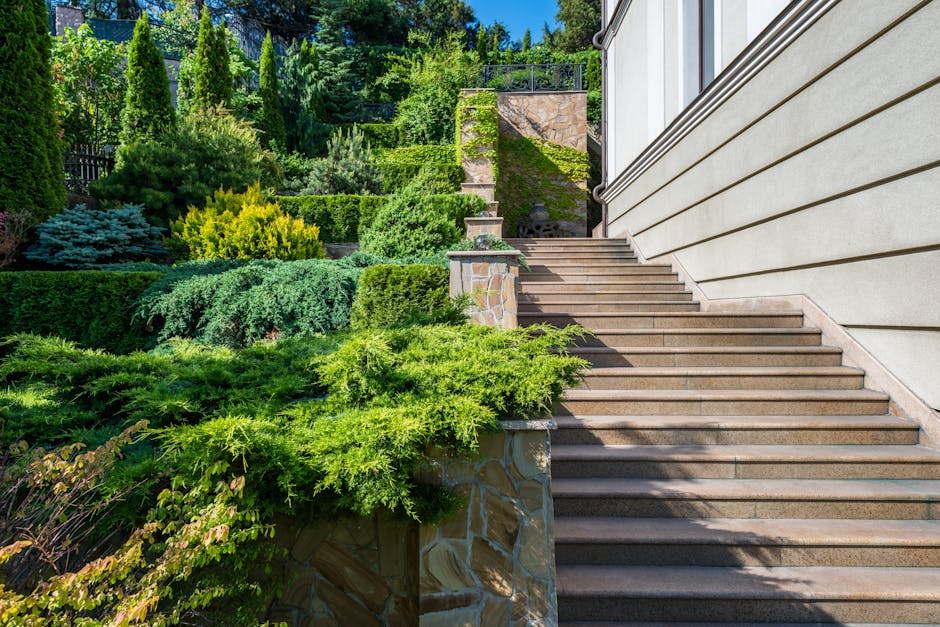
A plant that tolerates wet soil does not make water beside a foundation acceptable. Maintain required clearances, keep grades and drains visible, and avoid dense planting that prevents inspection. Near stairs and paths, consider seasonal flopping, leaf drop and how wet foliage affects access.
Native plants can be valuable when their specific habitat matches the site. The City of Surrey notes that locally adapted native plants suit regional seasonal rainfall, but “native” is not a universal wet-soil rating. Confirm the species and its actual moisture, light and size requirements.
Know when to plant, redesign or pause
Proceed with plant selection when
- the source, depth and duration of wetness are understood;
- water clears predictably and no structure or neighbour is at risk;
- light, winter moisture and summer drying match documented plant needs;
- mature size, access and establishment watering have been planned.
Redesign or seek assessment when
- ponding persists, worsens or repeatedly kills plants;
- runoff enters from hardscape, a roof or another property;
- the proposed fix changes grade or drainage near a building;
- the plan depends on a plant surviving permanently stagnant water.
Bring rain-event photos, a simple grade sketch and notes from both winter and summer when requesting advice. Atkinson Landscaping can review the site when drainage, planting levels and the plant palette need to be resolved together.
References and further reading
- City of Surrey: Sustainable Drainage
- City of Surrey: Native Plants
- Oregon State University Extension: Choose the Right Rain Garden
- Invasive Species Council of British Columbia: PlantWise