

The short answer: buy the mature form, not the autumn colour
A Japanese maple can fit a small Surrey, Langley, or White Rock yard, but the name covers hundreds of cultivars with very different habits. Start with the permanent space, then choose a documented mature height and width, an upright or weeping form, and foliage that suits the site’s light. Give the tree well-drained soil, protection from drying wind, room around paths and buildings, and reliable water while it establishes.
- Good fit: the labelled cultivar fits at maturity, the site drains through winter, and summer water is practical.
- Change cultivar: the canopy would crowd a path, window, fence, or neighbouring property, or the foliage is too delicate for the exposure.
- Choose another tree: the only available spot stays saturated, is severely wind-exposed, or needs evergreen screening.
Japanese maple (Acer palmatum) is a non-native ornamental tree, not a British Columbia native. Its value in a small landscape is controlled scale, branching character, and seasonal foliage—not privacy in winter. A careful selection can become a long-lived focal point; an impulse purchase based on a red leaf in October can become a cramped tree that needs constant correction.
Measure the permanent space before visiting the nursery

Measure the planting bed, then mark the canopy diameter stated on the cultivar tag. Include eaves, windows, gates, parked vehicles, patios, overhead wires, and the neighbour’s side of the property line. Oregon State University Extension recommends choosing the site before the species because a tree that looks compact in its nursery pot can occupy a much larger volume after ten or twenty years.
Do not plan to hold an unsuitable tree inside the space by repeatedly cutting back every branch. Pruning can refine structure, but it does not turn a naturally broad cultivar into a narrow one. Use the placement checks in the tree-distance guide when the bed is close to a building, driveway, or utility corridor.
Record before shopping
- maximum practical canopy width;
- clear height needed over paths;
- distance to walls, fences, and paving;
- whether winter screening is actually required.
Reject at the nursery
- no cultivar name or mature size;
- a width larger than the bed;
- a low canopy blocking required access;
- “keep small by pruning” as the whole plan.
Choose an upright, spreading, or weeping form deliberately
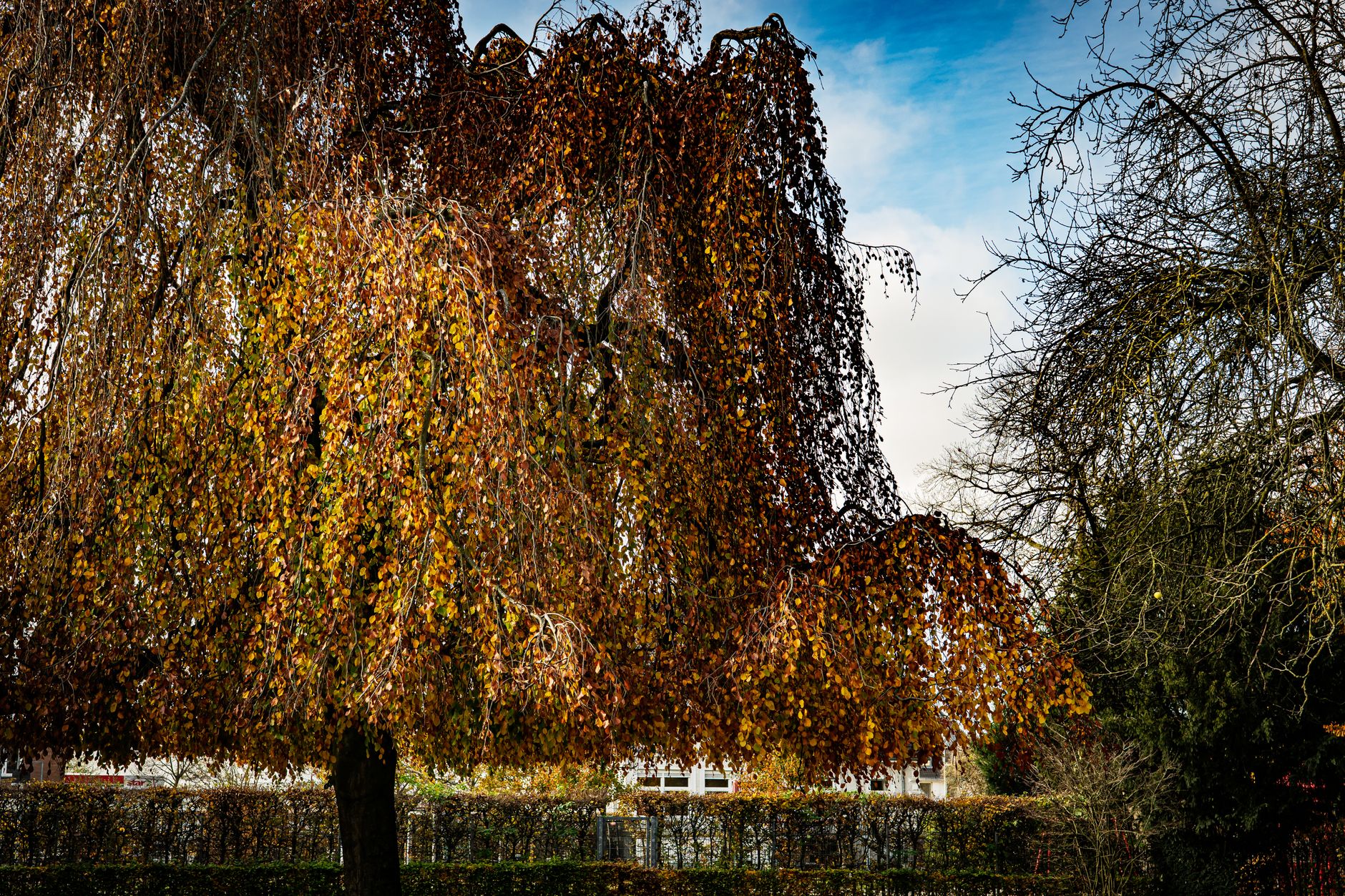
Japanese maples are not one standard-sized tree. Upright cultivars can develop into small trees, while dissected laceleaf forms often make lower, spreading mounds. Washington State University’s small-tree guide lists cultivars separately because their dimensions and exposure tolerances differ. North Carolina State Extension likewise documents cultivar-specific sizes ranging from compact forms to trees over six metres tall.
Decide what the tree should look like in winter, when its branches are exposed. An upright form can frame a view or lift foliage above low planting. A broad weeper works as a specimen where it can spread without swallowing a walkway. A dwarf label is useful only when the tag provides a real mature size and time horizon.
- Upright: useful where height is available and the footprint is moderate.
- Broad or vase-shaped: needs open lateral room and a balanced viewing position.
- Weeping or dissectum: usually best where a low canopy will not obstruct circulation.
- Compact cultivar: verify the named cultivar; “dwarf” is not a complete specification.
Match leaf type and colour to the actual light
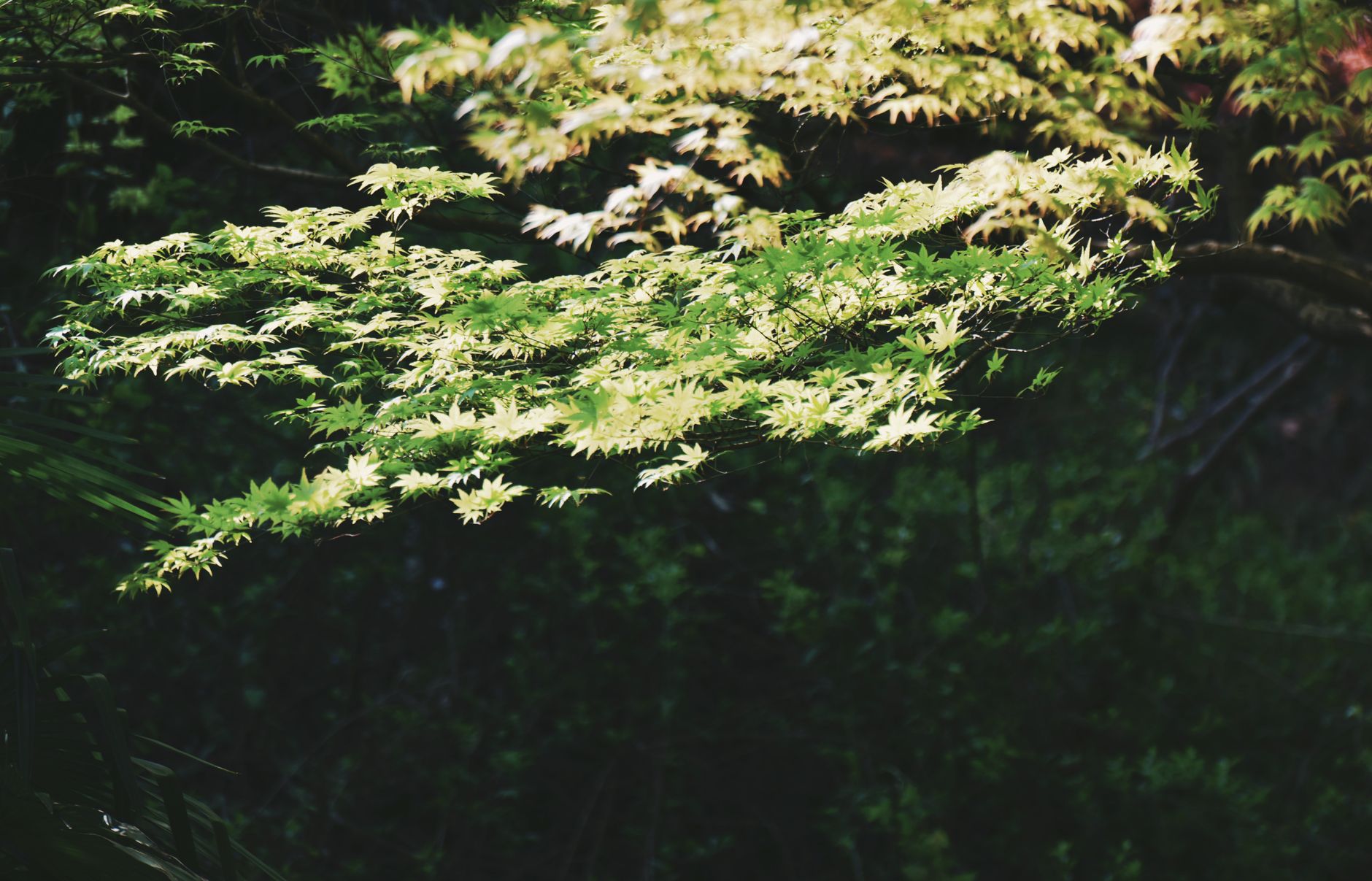
Observe the site in the morning and late afternoon, including reflected heat from south- and west-facing walls or paving. The species is commonly recommended for dappled shade and evenly moist, well-drained soil, but cultivar tolerance varies. Fine laceleaf and pale or variegated foliage can show scorch sooner than tougher green or selected red-leaf cultivars when heat, wind, and dry roots combine.
Do not interpret “part shade” as a fixed number that overrides the microclimate. A sheltered bed with morning sun is different from a narrow courtyard that bakes against glass and concrete. The broader shady-yard guide explains how to map changing light rather than guessing from one observation.
- Morning sun, afternoon protection: a forgiving starting point for many cultivars.
- Open afternoon exposure: require a cultivar documented for greater sun tolerance and dependable soil moisture.
- Deep shade: expect looser growth and weaker colour; do not buy only for a catalogue photograph.
Use buildings and planting to reduce drying wind
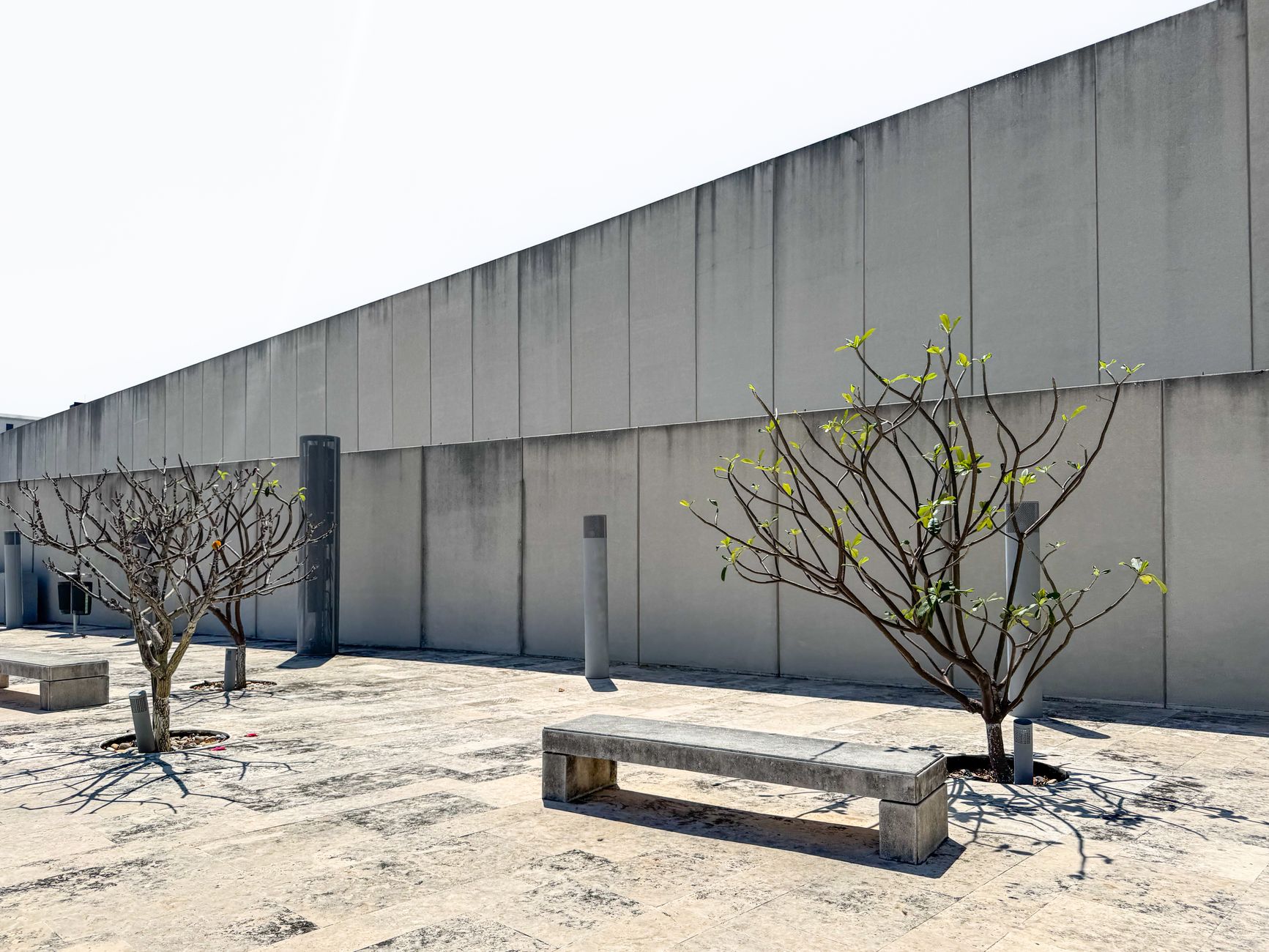
WSU’s small-tree guidance specifically notes wind protection for several Japanese maple cultivars. In the Lower Mainland, the problem is not only a winter storm. Persistent drying wind during leaf-out or summer heat can pull moisture from thin foliage faster than restricted roots replace it.
Look for partial shelter from a building, fence, hedge, or larger open-canopied tree without trapping the maple in a dark slot. Avoid downspout discharge, roof snow or debris fall, and narrow corners where wind accelerates. New staking should correct actual instability, not immobilize the trunk indefinitely.
Promising exposure
- air moves but leaves are not constantly whipped;
- roots have an open soil area;
- light reaches the canopy for part of the day;
- the tree is outside roof and gate swing zones.
High-risk exposure
- an exposed rooftop or wind tunnel;
- hot reflected air from paving and walls;
- a container too small to buffer moisture;
- a site that requires permanent tight staking.
Rule out winter saturation before improving the soil
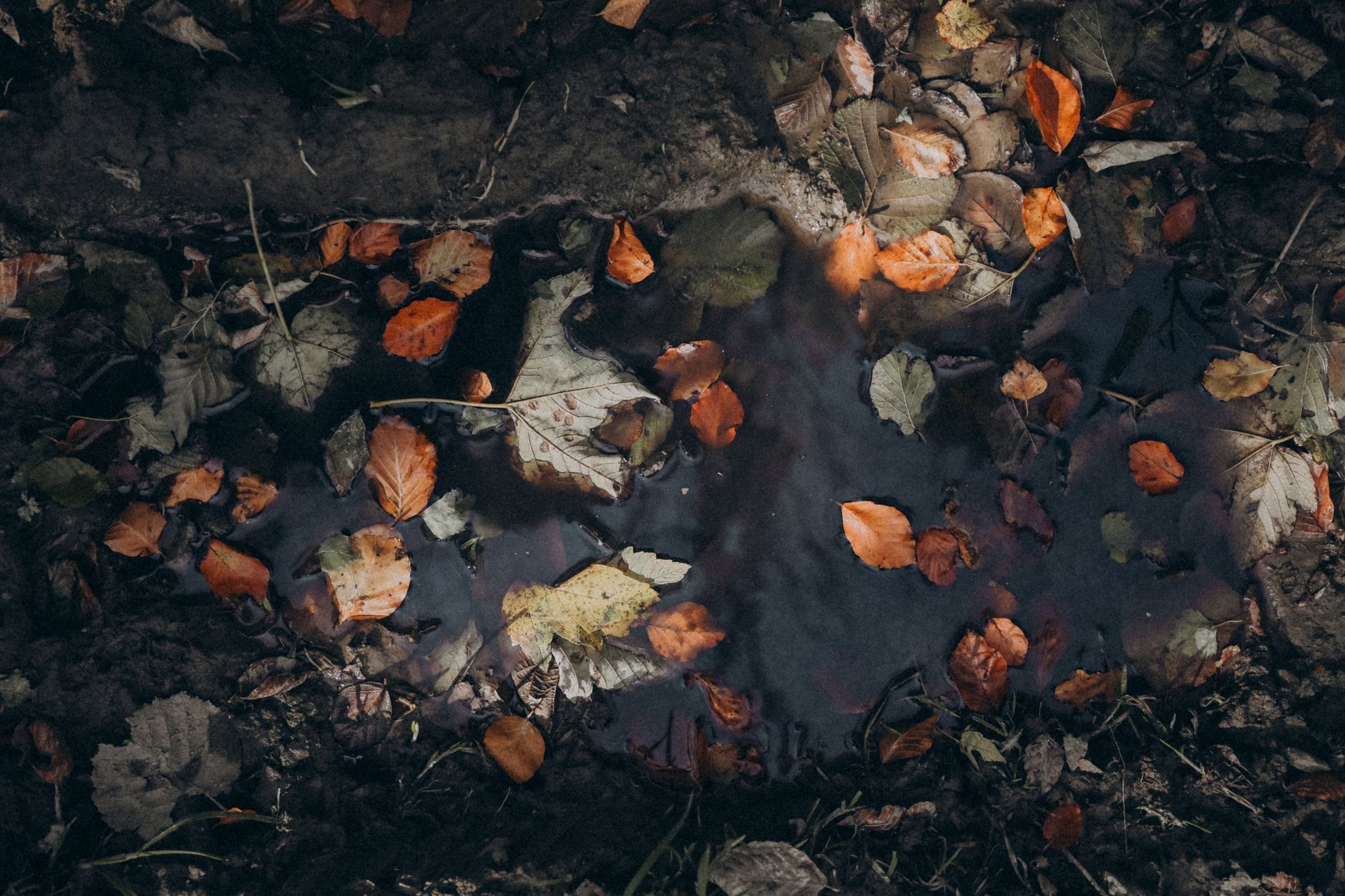
Japanese maples prefer moisture without prolonged waterlogging. The Pacific Northwest Plant Disease Handbook reports that poorly drained or flooded soil encourages Phytophthora root rot and notes Acer palmatum among the maples found with affected roots. A wet Lower Mainland winter therefore deserves more attention than a bag of amendments.
Check the spot after sustained rain, inspect the surrounding grade, and compare the planting hole with nearby undisturbed soil. If water ponds or a test hole remains saturated, follow the yard-drainage checks before purchasing the tree. Do not create a small bathtub of amended soil inside compact clay.
- Proceed: rain drains, soil remains workable, and summer irrigation is available.
- Redesign: runoff concentrates in the bed, a downspout discharges nearby, or grade sends water toward the trunk.
- Choose another location: standing water is routine and cannot be corrected without broader drainage work.
Inspect the exact tree, graft, trunk, and root ball
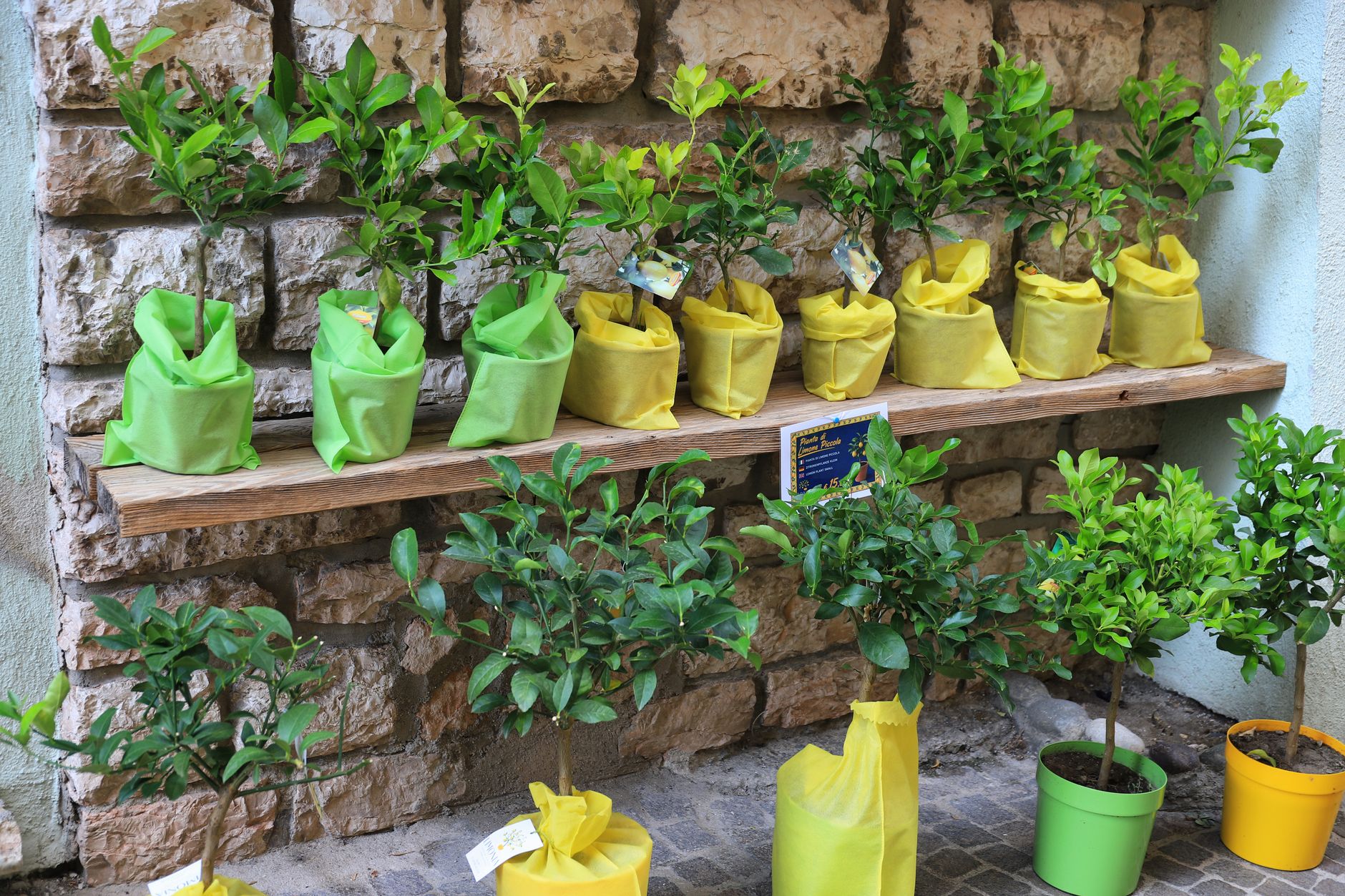
Confirm the botanical name and cultivar on the tag. Compare its documented mature dimensions with the measurements you brought. Many named Japanese maples are grafted, so inspect the graft union for cracks, decay, constriction, or shoots emerging from below it. Choose a sound trunk and balanced branch framework rather than the fullest temporary canopy.
Slide the root ball partly from the container when the nursery permits. Reject severe circling roots, a loose recently shifted root ball, sour saturated media, trunk damage, or roots that have dried hard. A smaller healthy tree often establishes more predictably than an oversized specimen with a compromised root system.
- one clear cultivar identity and readable care label;
- no major bark wounds or broken primary branches;
- a visible root flare or a root ball that can be corrected without major excavation;
- moist, coherent media without stagnant odour;
- no unexplained one-sided wilt or branch dieback.
Plant at the root flare and preserve the surrounding grade

Find the first structural roots before setting final depth. Dig a wide hole no deeper than the corrected root ball, set the flare at or slightly above the surrounding finished grade, and backfill mainly with the excavated site soil. The detailed tree-planting guide covers root correction, backfilling, watering, staking, and mulch placement.
Keep mulch in a modest surface layer and pull it back from the trunk and graft. Do not raise the whole bed against the stem, bury the flare to conceal awkward roots, or install edging that traps irrigation and winter rain around the root ball.
- Locate the flare and correct excess media over it.
- Measure depth from flare to root-ball base.
- Dig wide while keeping the bottom firm.
- Set the tree and verify orientation before backfilling.
- Water the root ball and surrounding soil thoroughly.
- Mulch the surface without touching bark.
Plan two dry seasons of establishment and restrained correction
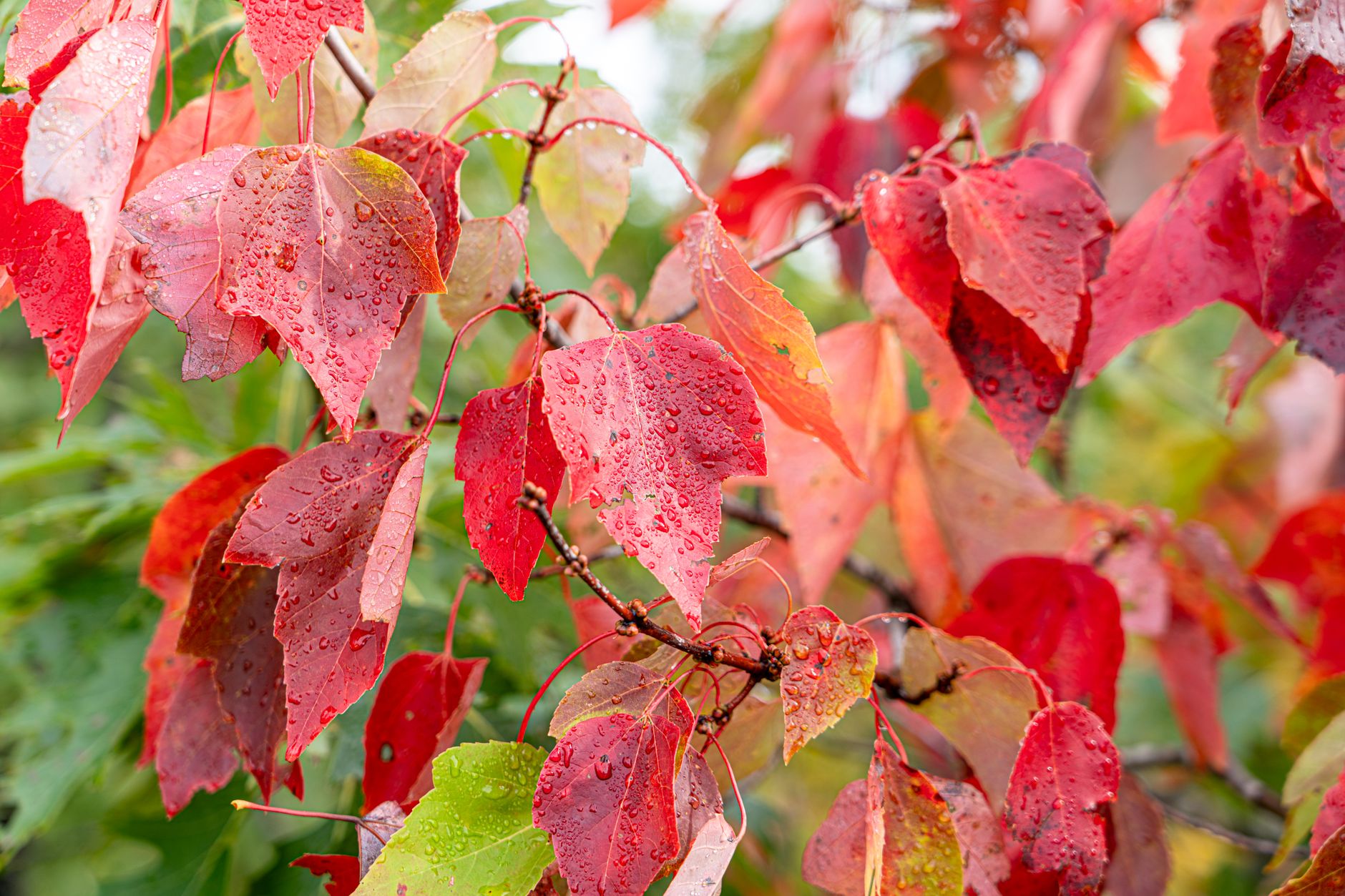
Water immediately after planting, then check both the original root ball and surrounding soil by feel. Autumn rain may reduce demand, but a dense canopy, wall, or roof edge can create a dry pocket. During the following summers, water deeply enough to wet the root ball and adjust frequency to heat, wind, soil, and actual moisture—not a fixed calendar. See the new-tree watering guide for the hands-on check.
Delay cosmetic pruning until the tree is established unless a branch is broken, dead, rubbing badly, or creating an immediate conflict. Do not force lush growth with heavy nitrogen. The PNW handbook advises keeping nitrogen only high enough for normal growth where Verticillium wilt is a concern, and sudden one-sided wilt or branch dieback deserves diagnosis rather than automatic fertilizer.
- Normal adjustment: modest growth with stable buds, sound bark, and moisture that changes predictably.
- Correct the care: dry root ball, mulch against the trunk, loose staking, or minor scorch linked to exposure.
- Seek diagnosis: persistent saturation, root-collar decay, sudden one-sided wilt, or expanding branch dieback.
If the cultivar, drainage, or placement remains uncertain, Atkinson Landscaping can review the site before a beautiful nursery specimen becomes the wrong permanent tree.
References and further reading
- Washington State University Extension: Small Trees for the Home Landscape
- North Carolina State Extension: Acer palmatum plant profile
- Oregon State University Extension: Selecting, planting and caring for a new tree
- Pacific Northwest Plant Disease Handbook: Maple—Phytophthora root rot
- Pacific Northwest Plant Disease Handbook: Maple—Verticillium wilt